Strategy & AI
Reading the signals that matter, including what AI makes possible and what it changes, building strategic foresight, and translating what's coming into a plan the organisation can act on.





01 About
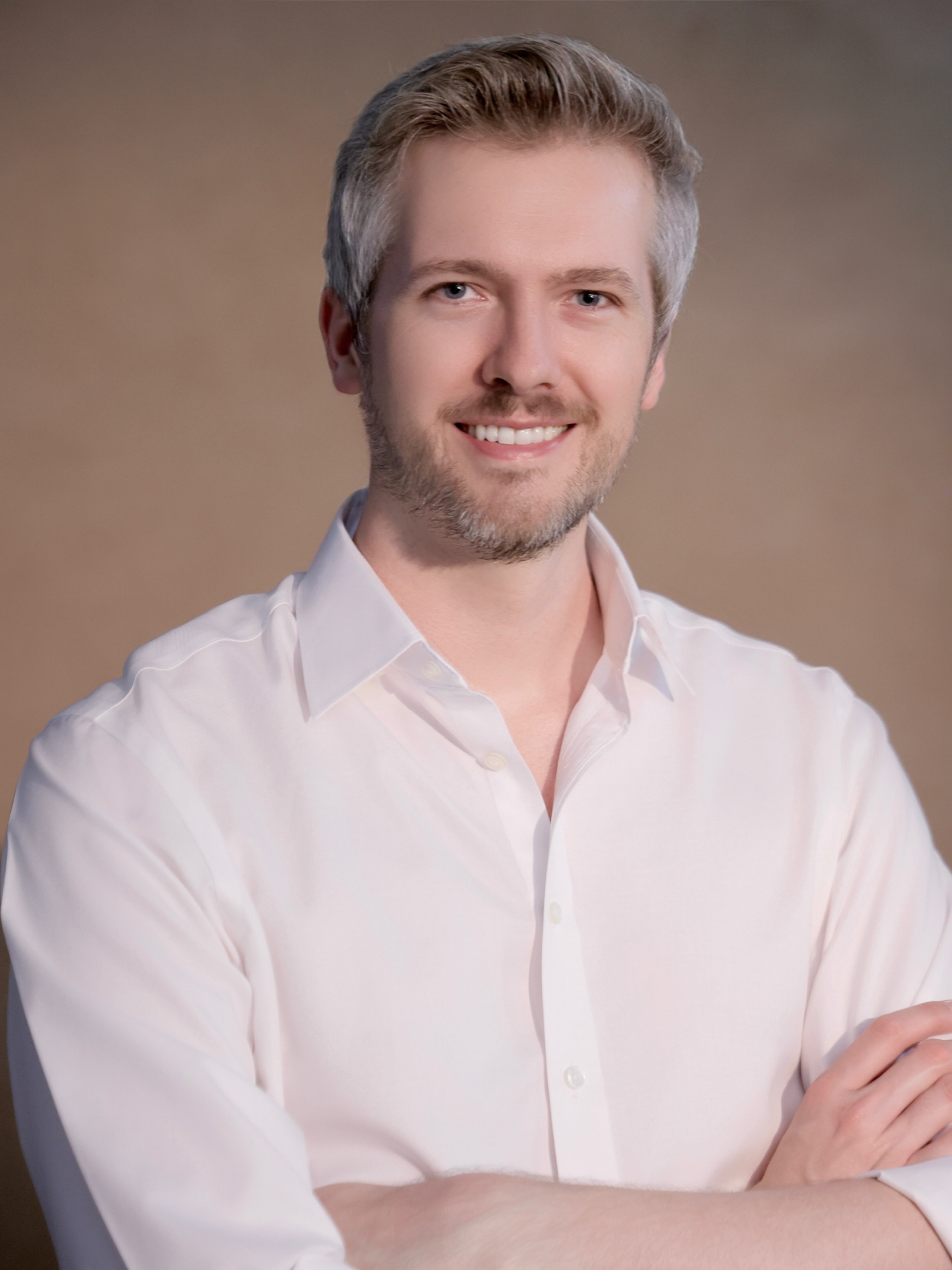
Michael Freeman is a tenured Associate Professor of Technology and Operations Management at INSEAD, where he is Academic Director for Asia at the Healthcare Management Institute and holds the school's Impact Fellowship. He earned his PhD in Management Science from the University of Cambridge (Judge Business School), where he remains a Research Fellow at the Cambridge Centre for Health Leadership & Enterprise.
His award-winning research, with six papers in Management Science, has reached the front pages of national newspapers. Today his work turns on a question every executive team faces: how people and algorithms should share decisions, and how to design AI agents an organisation can trust.
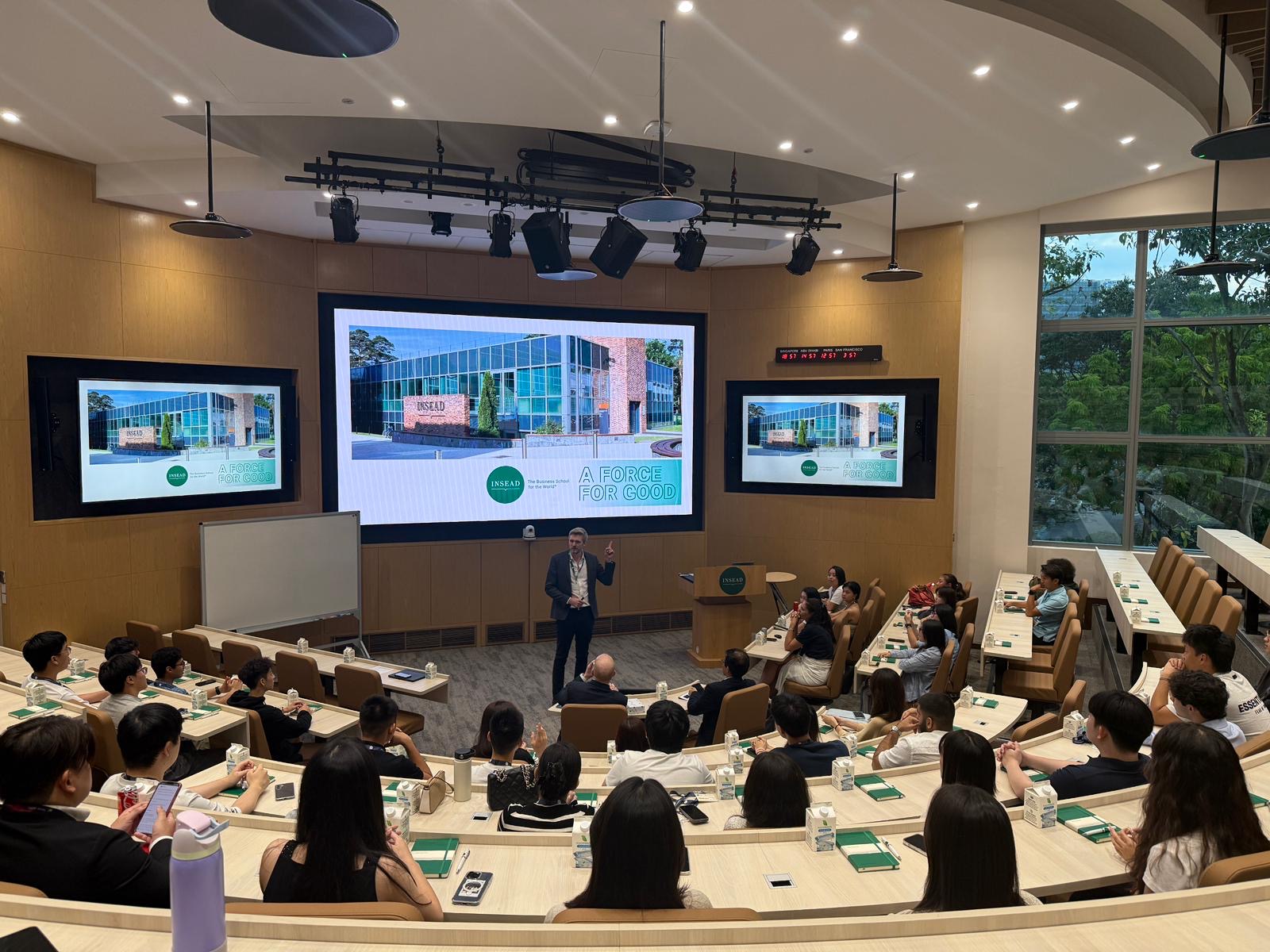
He teaches across INSEAD's MBA, Global EMBA, PhD and Executive programmes, including the flagship Advanced Management Programme for C-suite executives, and has twice received the school's Executive Education Award for Outstanding Teaching.
02 Executive Education
Michael works with executive teams to address real business challenges and uncover opportunities they can act on: strategic reinvention, operational and cultural transformation, and effective AI strategy. He has partnered with senior leaders across industries, from healthcare to financial services, in bespoke company engagements.
Reading the signals that matter, including what AI makes possible and what it changes, building strategic foresight, and translating what's coming into a plan the organisation can act on.
New business models, the dynamics of disruption, and growth strategies that hold up when the ground is shifting: how to read where value is moving and build the models to capture it.
Turning strategy into how the organisation actually runs: redesigning processes, rewiring culture, and building the operating model that makes change stick.
From a single keynote to a week-long intervention on organisational and cultural transformation, built bespoke for your company.
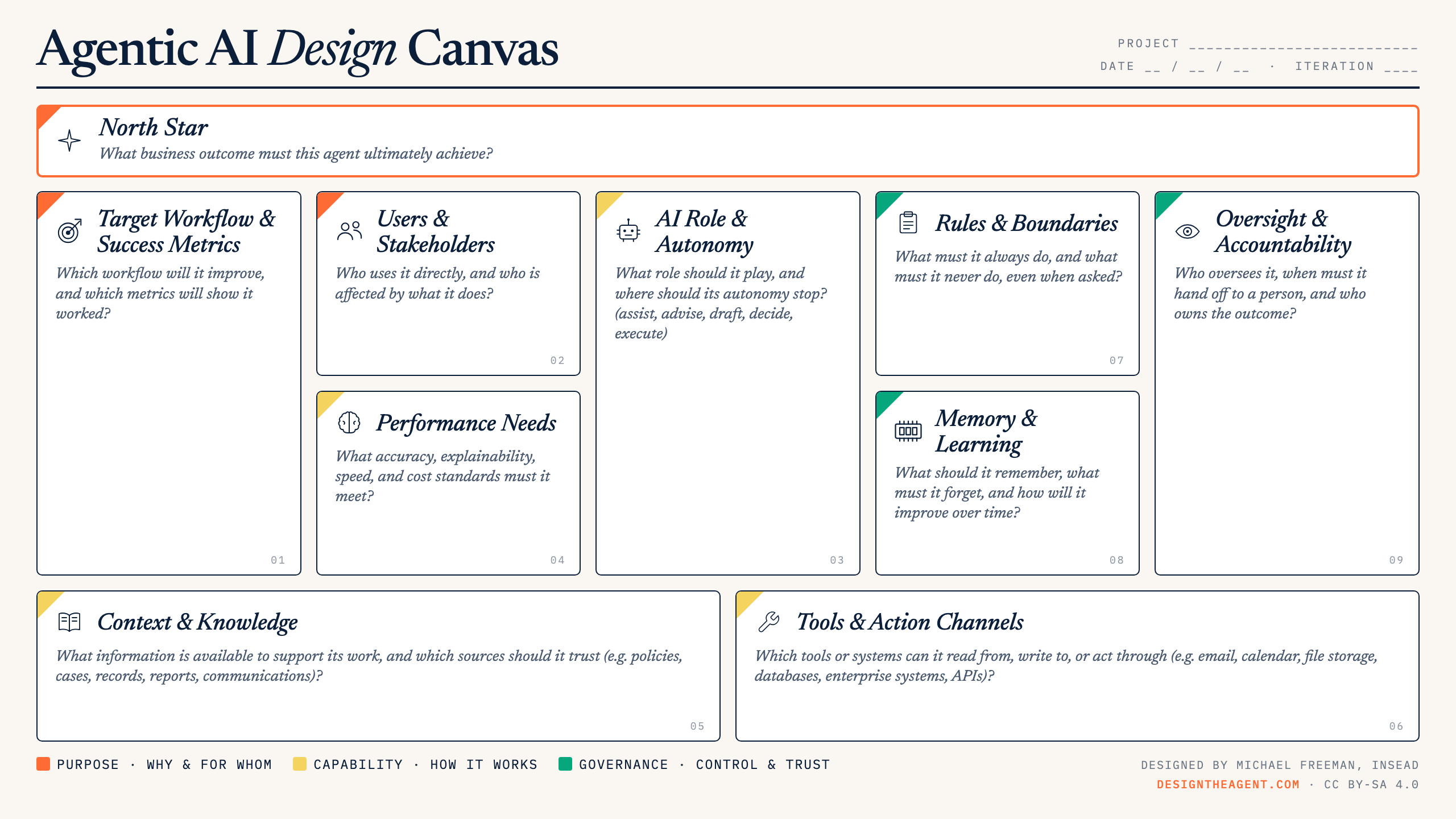
A hands-on session on how modern AI agents really work, beyond the chatbot. Leaders look inside a real agent, then work through the design decisions behind whether one can be trusted once it is live. Based on the Design the Agent methodology and the forthcoming book.
How the method works →Enquire about the AI session →An INSEAD method for radical reinvention. The leadership team imagines its business burned to the ground by disruption, then rebuilds it to rise stronger from the ashes. A structured way to confront what could destroy you, and move first.
The method, in MIT Sloan Management Review →Enquire about the Encounter →Selected organisations Michael has taught and advised
Company-specific and customised executive programmes, 2019–2025.
04 The book
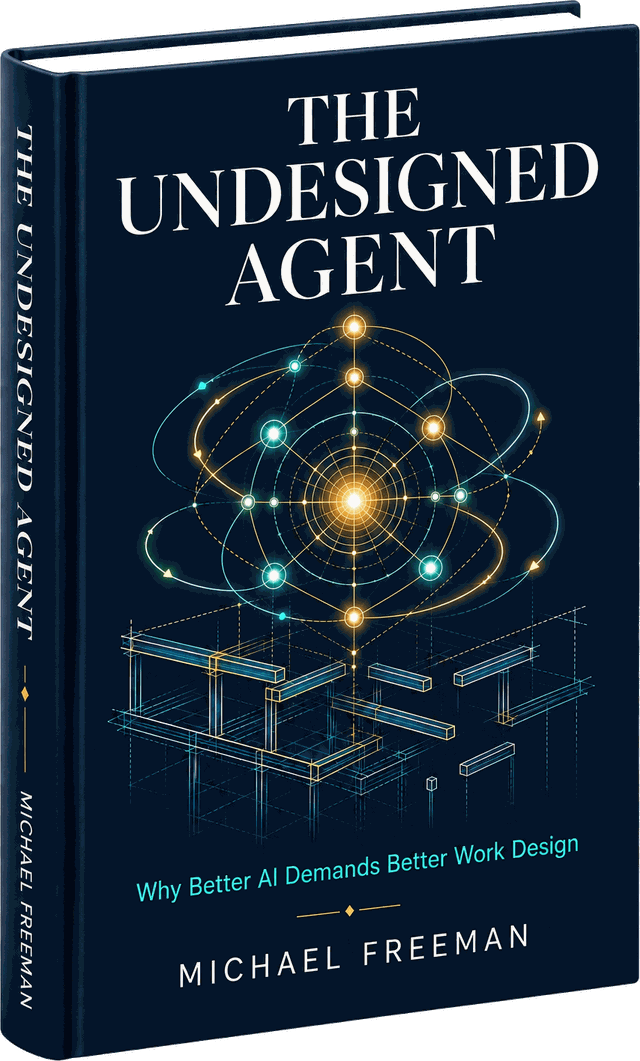
The Undesigned Agent: a field guide to designing agentic AI, for the executives who have to answer for it.
It turns that method into a working playbook: the nine decisions, the failure modes, and real cases of agentic AI succeeding and failing, drawn from the work Michael does with executives at INSEAD. It is written for leaders who are deploying agents faster than they are designing them.
In development
05 Research
Three threads run through the work: how the design of service operations shapes outcomes, how organisations decide under uncertainty, and, most recently, how human and machine intelligence can work together.
How the decisions embedded in healthcare delivery shape patient outcomes at scale, and what rigorous empirical evidence can tell organisations about designing it better.
Large-scale causal analysis of how organisations make operational decisions inside multi-stage systems, drawing on datasets of millions of records.
How people and algorithms share the work: algorithmic gatekeeping, AI guidance in tiered services, and the design of agents that can be trusted.
Kajaria-Montag, H., Freeman, M., & Scholtes, S. (2024). Continuity of care increases physician productivity in primary care. Management Science, 70(11).
Front-page national coveragedoi.org →
Freeman, M., Robinson, S., & Scholtes, S. (2021). Gatekeeping, fast and slow: An empirical study of referral errors in the emergency department. Management Science, 67(7).
Freeman, M., Savva, N., & Scholtes, S. (2021). Economies of scale and scope in hospitals: An empirical study of volume spillovers. Management Science, 67(2).
First Prize, MSOM Student Paper Competitiondoi.org →
Freeman, M., & Liang, X. (2026). Does AI crowd out context? Evidence from clinical radiology. Under review, Management Science.
Accepted · Wharton Business and Gen AI Conference 2026SSRN →
View all publications → Also on Google Scholar.
06 In the media
A study Michael co-authored on continuity of care was front-page news in The Guardian and The Telegraph on 23 February 2024, and was also covered by the BBC, The Times, The Independent, and across the trade press.
Front pageSeeing same GP improves patient health and cuts workload of doctorsRead →Front pageSeeing the same GP means fewer visits to the doctorRead →Seeing the same GP reduces appointments, Cambridge study findsRead →Seeing same GP boosts health and could ease appointment backlogRead →Study finds seeing the same GP improves care and cuts workloadRead → Having a 'regular doctor' can significantly reduce GP workload, study findsRead →
07 Contact
For executive-education enquiries, speaking, media, or research collaborations, send a note and I'll get back to you. You can also email directly.
michael.freeman@insead.eduINSEAD · 1 Ayer Rajah Avenue · Singapore 138676